Recyclable-ready packaging built around real product protection.
Yongxiang Packaging helps B2B buyers develop recyclable packaging, mono-material structures and lightweight flexible packaging without ignoring barrier performance, sealing strength, filling method and shelf-life requirements.
Sustainable packaging options for flexible packaging buyers.
We help customers evaluate recyclable-ready structures, mono-material alternatives and lighter packaging solutions based on food safety, barrier needs, print quality and packing line requirements.
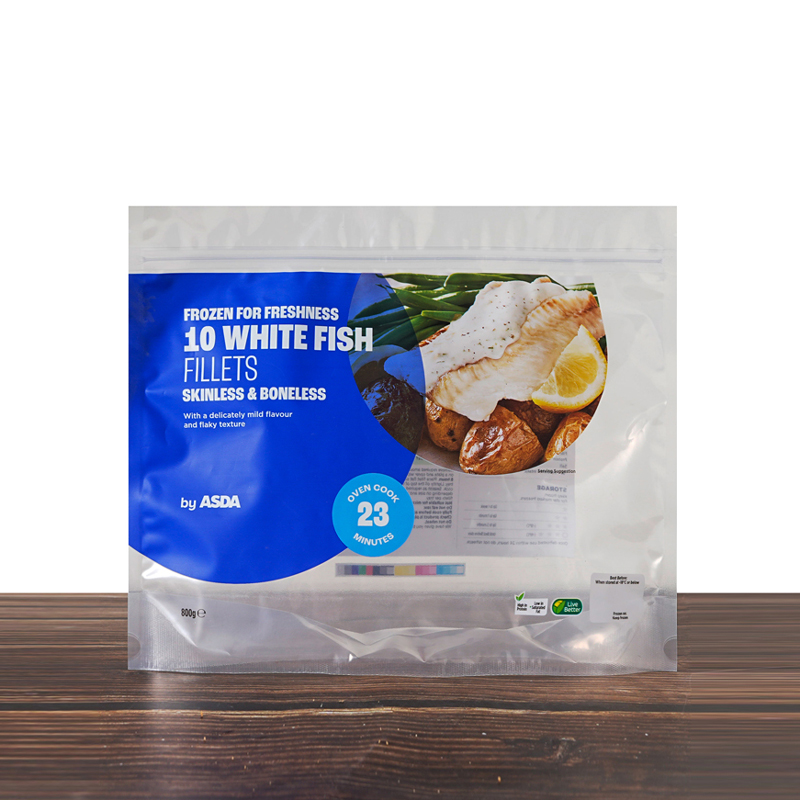
PE-Based Mono-Material Packaging
A practical recyclable-ready direction for selected pouches and rollstock film where PE-based structures can meet sealing and protection requirements.
- Stand-up pouch and rollstock film options
- Custom printing and finish planning
- Suitable for selected dry food and retail applications
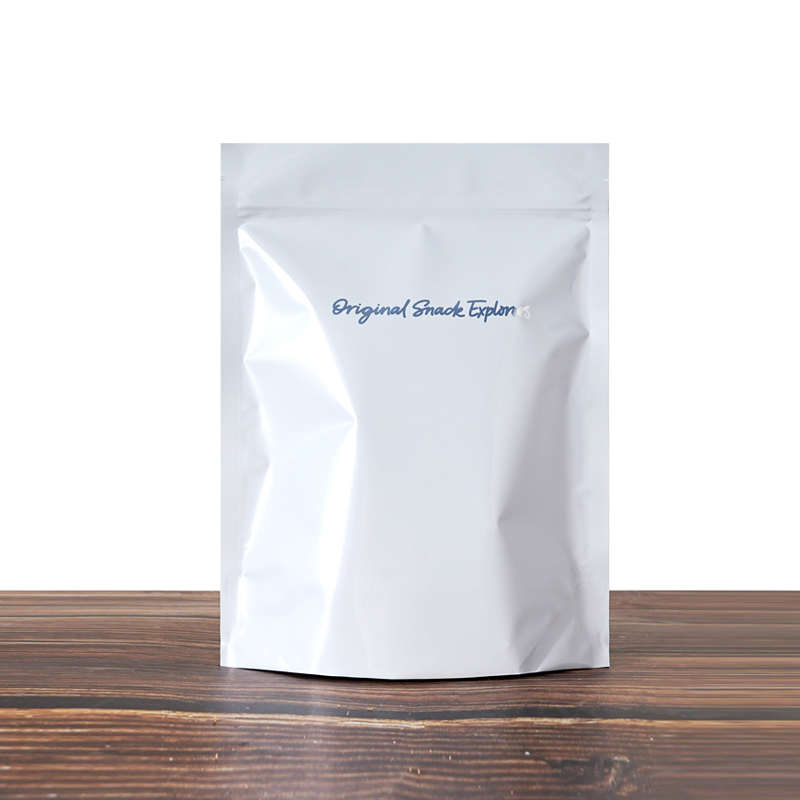
PP-Based Recyclable Structures
PP-based or single-material structures can be considered when product format, filling method and heat resistance requirements match the application.
- Structure review by product application
- Heat sealing and filling method consideration
- Custom pouch and film development support
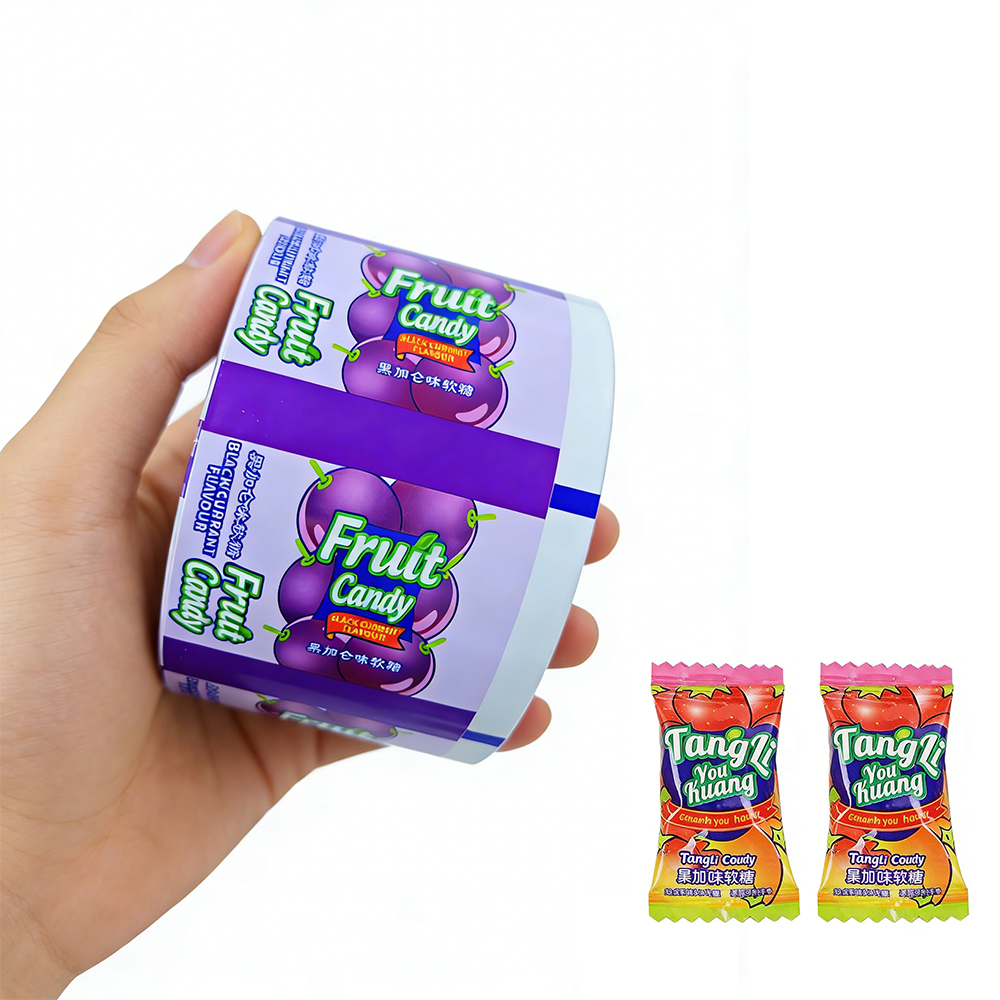
Recyclable Rollstock Film
For form-fill-seal lines and pouch applications, recyclable-ready rollstock film needs to match machine performance, sealing window and print registration.
- Roll width and packing line review
- Sealing temperature and stiffness check
- Custom printed rollstock film support
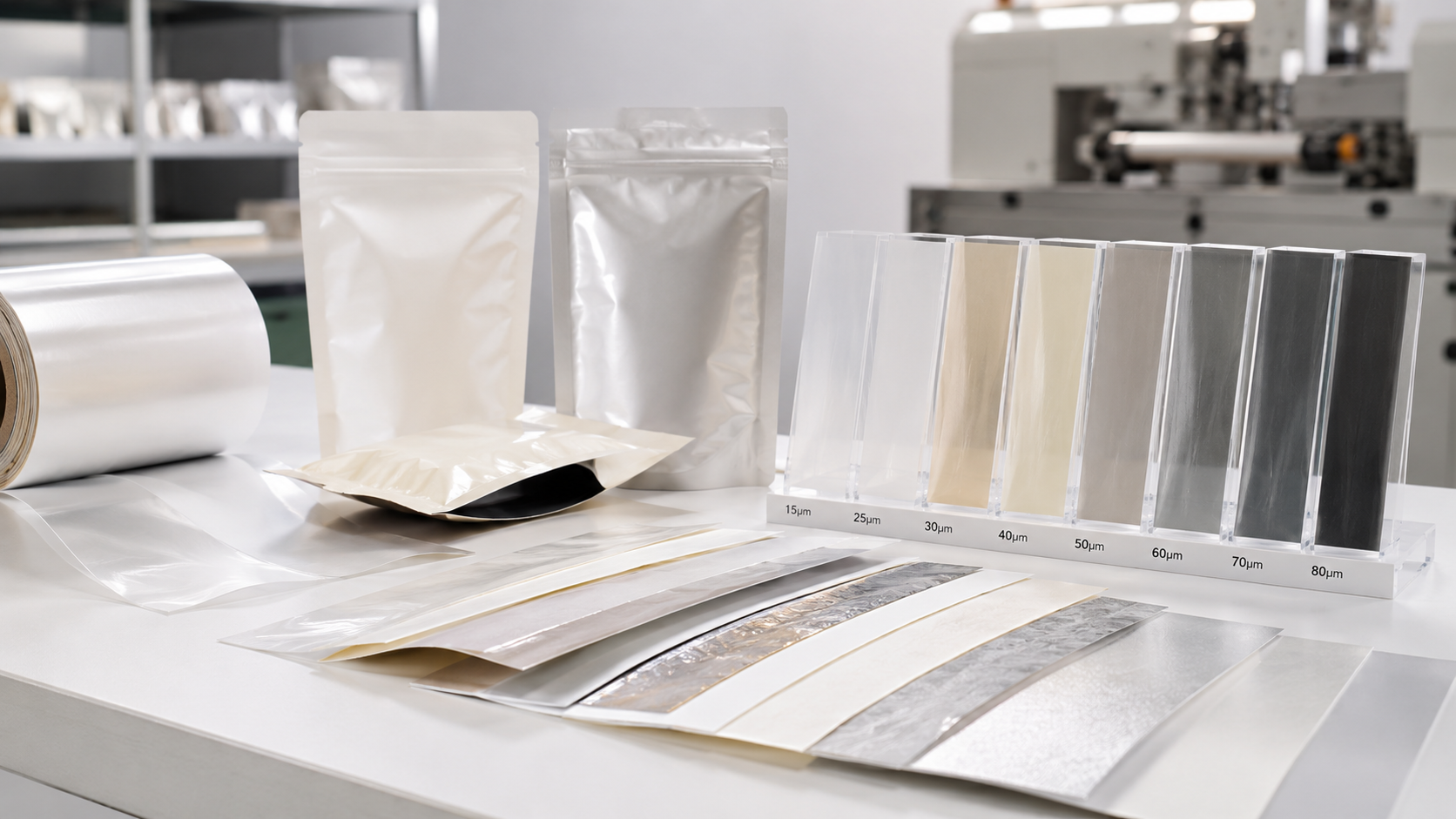
Lightweight Packaging
Material reduction does not mean reducing performance. We review thickness, structure and bag format to avoid over-packaging while keeping packaging function.
- Film thickness optimization
- Material usage reduction direction
- Balanced cost, strength and shelf presentation
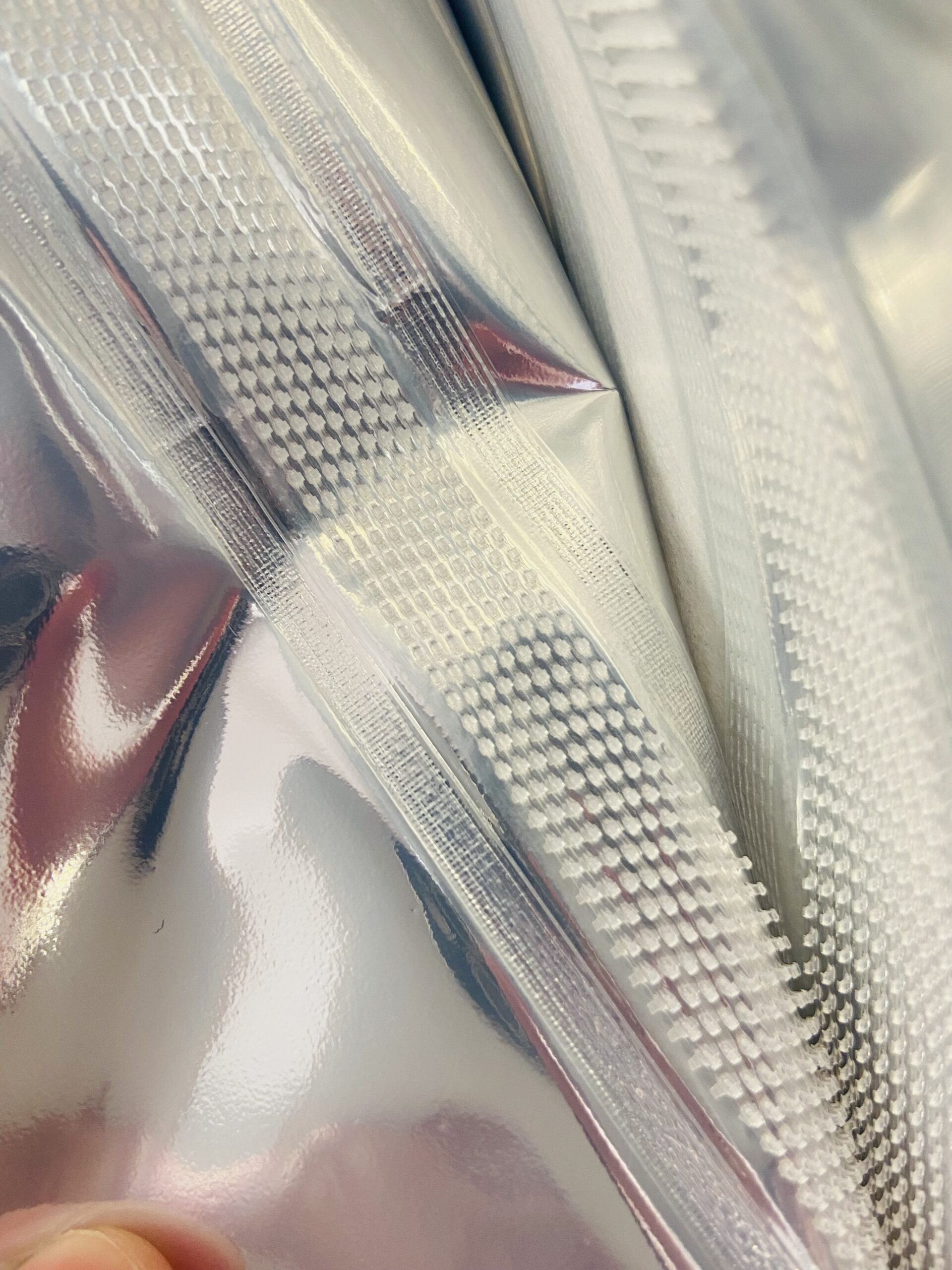
Sealing & Pouch Function
Sustainable packaging still needs reliable heat sealing, zipper closure, pouch forming and practical consumer-use performance.
- Sealing edge and closure review
- Bag making quality inspection
- Functional pouch format development
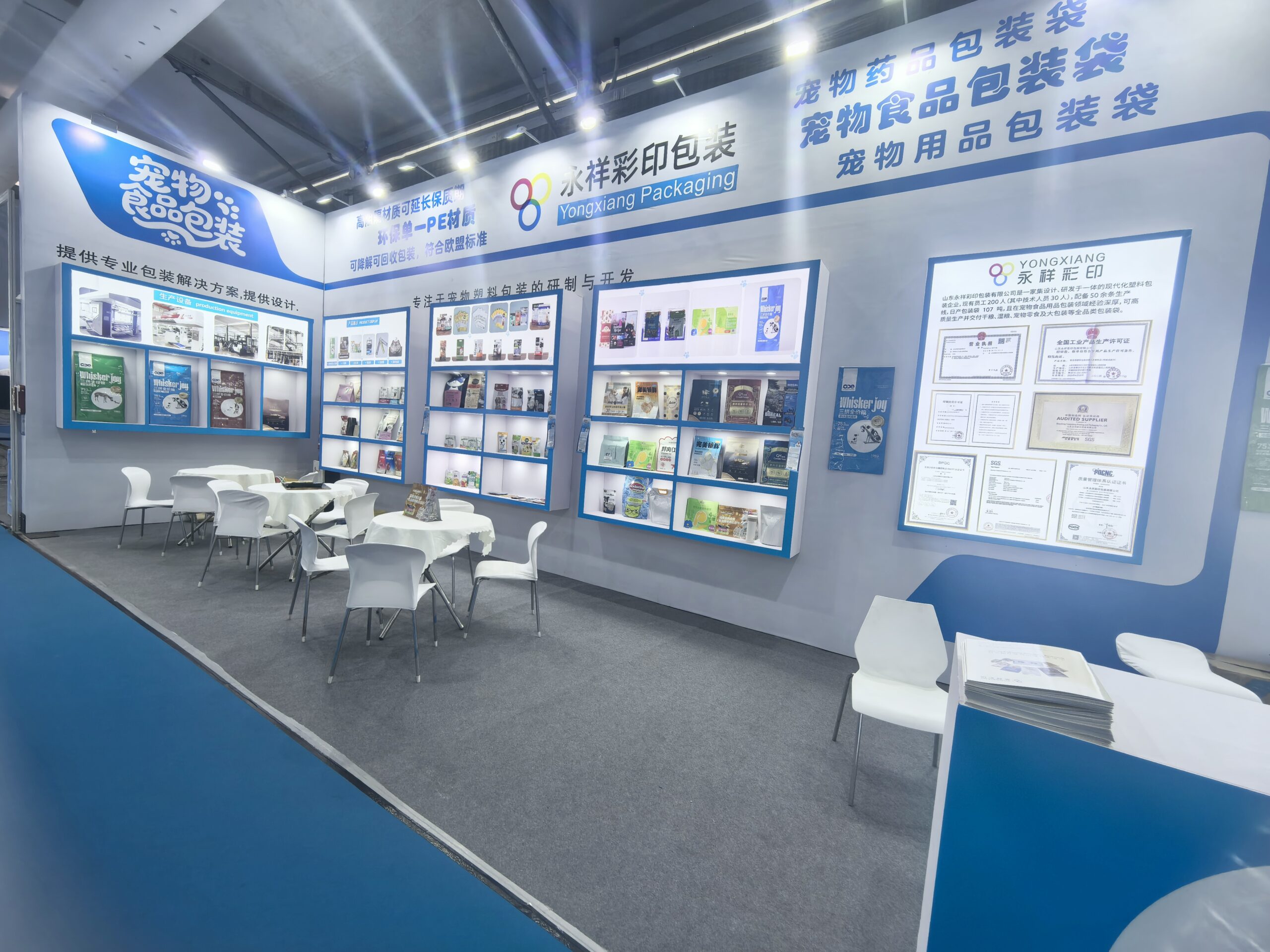
Packaging Development Support
From early concept to sample review, we support B2B buyers in comparing conventional structures with more sustainable packaging directions.
- Material structure comparison
- Sample and bulk production planning
- Project communication for overseas buyers
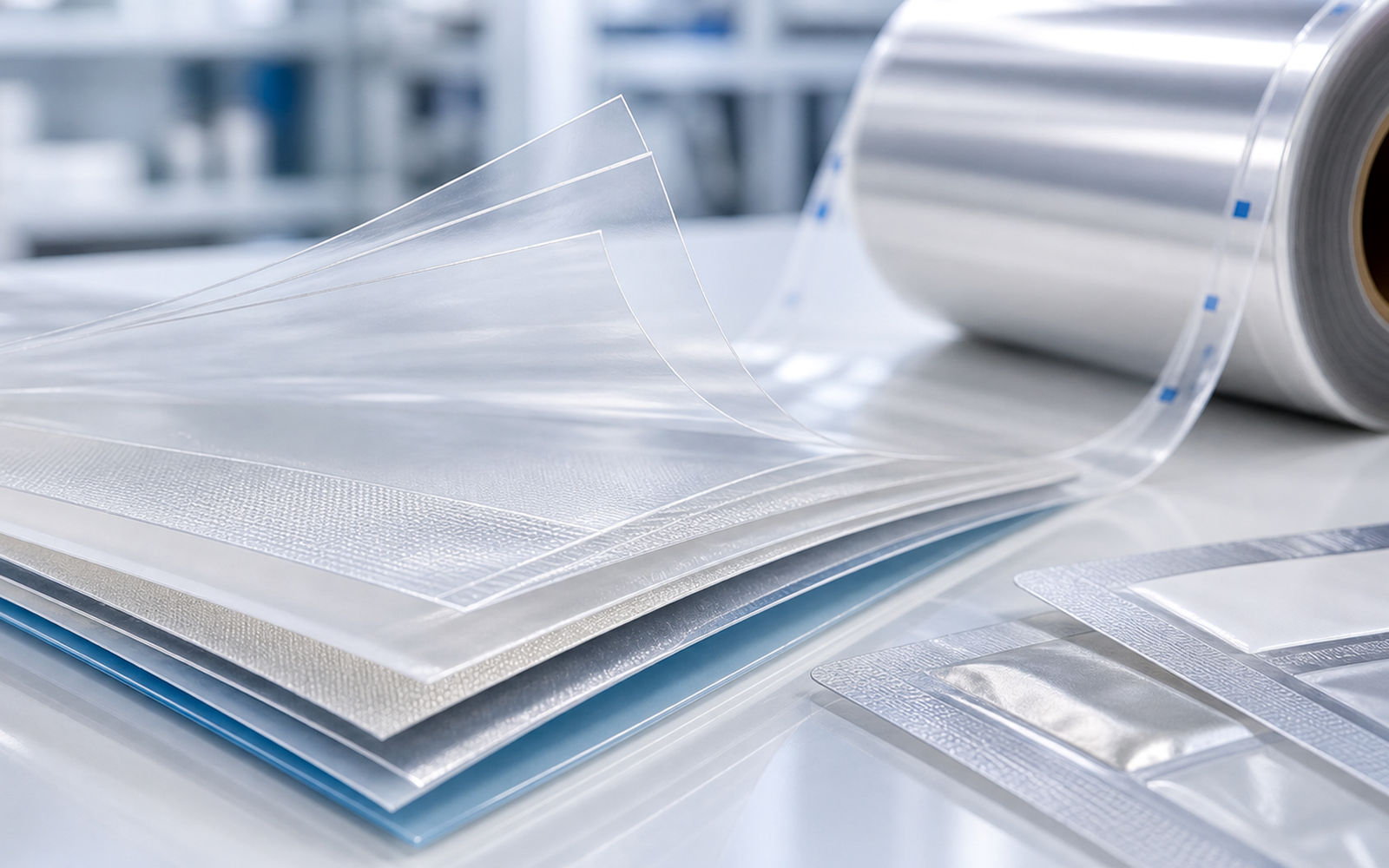
Recyclability must be considered together with package performance.
A flexible package is not only a printed bag. It is a material structure designed for product protection, shelf display, filling operation and consumer use.
Product Protection Comes First
Food packaging must protect against moisture, oxygen, aroma loss, grease migration and handling damage according to the product category.
Sealing & Filling Must Be Tested
Mono-material packaging should be reviewed for heat sealing, zipper closure, spout fitment, filling speed and packing line compatibility.
Printing and Shelf Presentation Still Matter
Custom printed recyclable packaging still needs clear graphics, stable colors, matte or glossy finish and reliable shelf appearance.
Market Requirements Should Be Confirmed
Recyclability expectations can vary by country, collection system, material stream and buyer requirements. Project review is necessary.
From conventional laminated film to mono-material recyclable direction.
We help buyers compare packaging choices clearly instead of replacing one structure blindly. The right option depends on product use, barrier target, shelf life and market requirements.
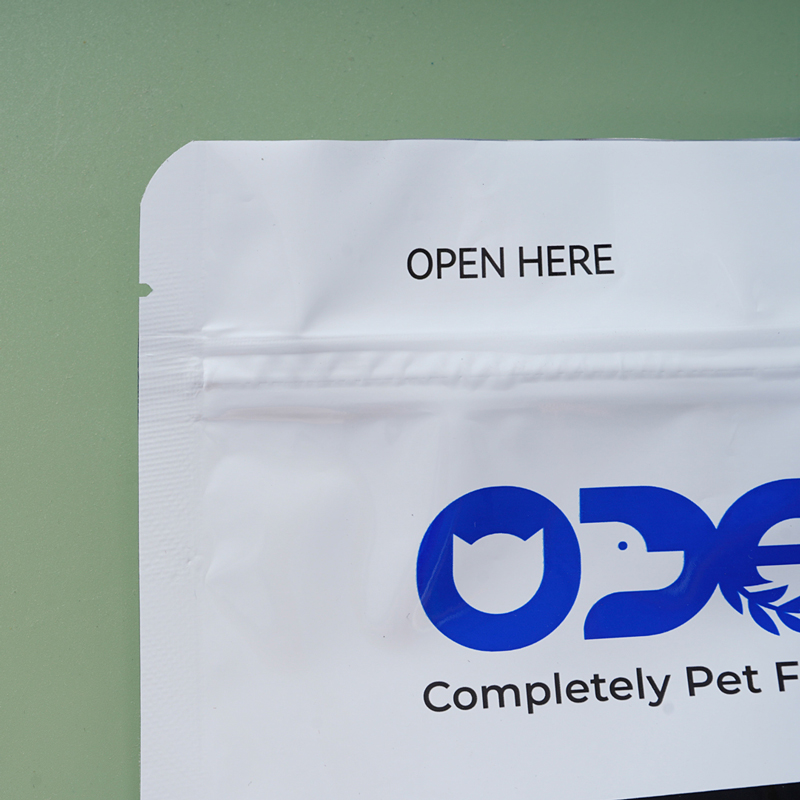 Conventional Direction
Multi-material laminated packaging
Common structures often combine different material families to achieve strong barrier, appearance and sealing performance.
- Often used for high-barrier food packaging requirements
- Strong print quality and mature converting performance
- May be less aligned with mono-material recycling direction
- Still useful where protection requirements are demanding
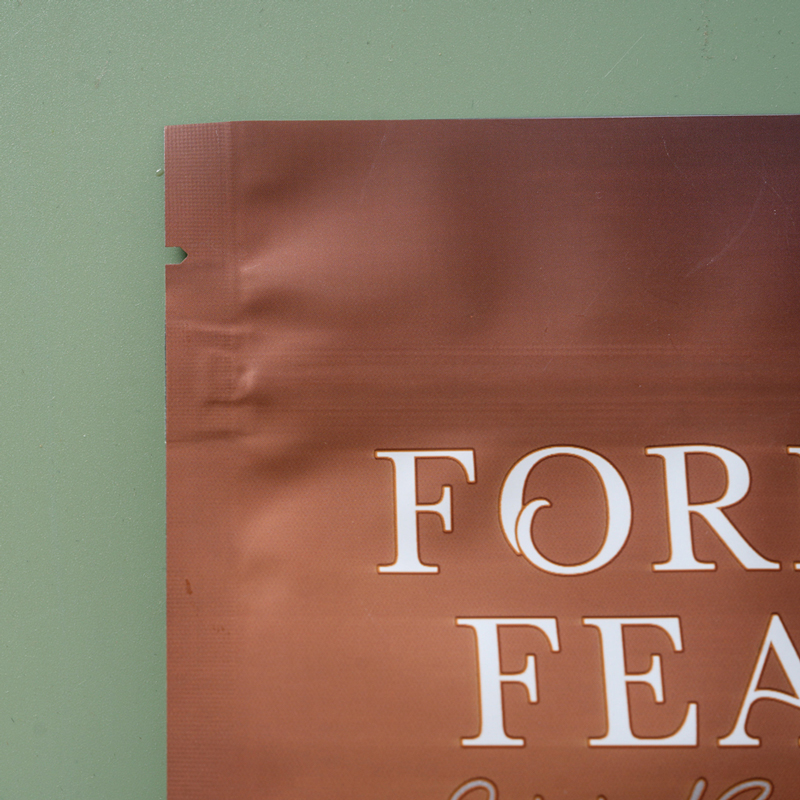 Mono-Material Direction
Mono-material or recyclable-ready packaging
More sustainable structures aim to simplify the material family while maintaining practical packaging performance.
- PE-based or PP-based structure direction where suitable
- Material reduction and lightweight film planning
- Needs sealing, barrier and filling feasibility review
- Better aligned with recyclable packaging development goals
Sustainable packaging must pass real production and testing review.
A recyclable-ready structure is valuable only when it can be printed, converted, sealed, filled and inspected reliably. We support buyers from sample development to bulk production.
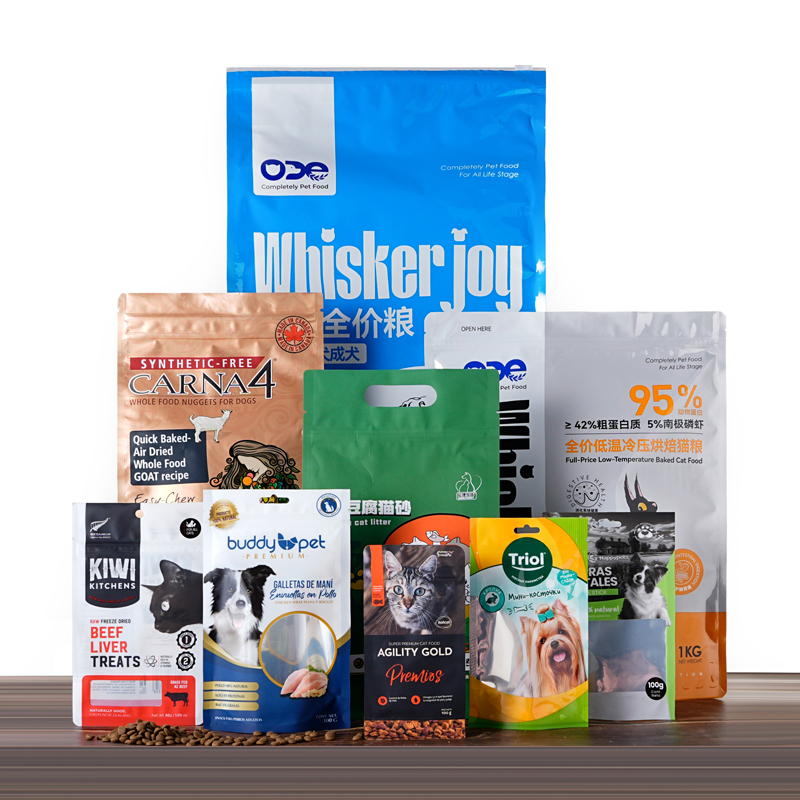
Application-Based Packaging Review
Food, snack, coffee, pet food and retail packaging projects need different barrier, sealing and shelf display requirements.
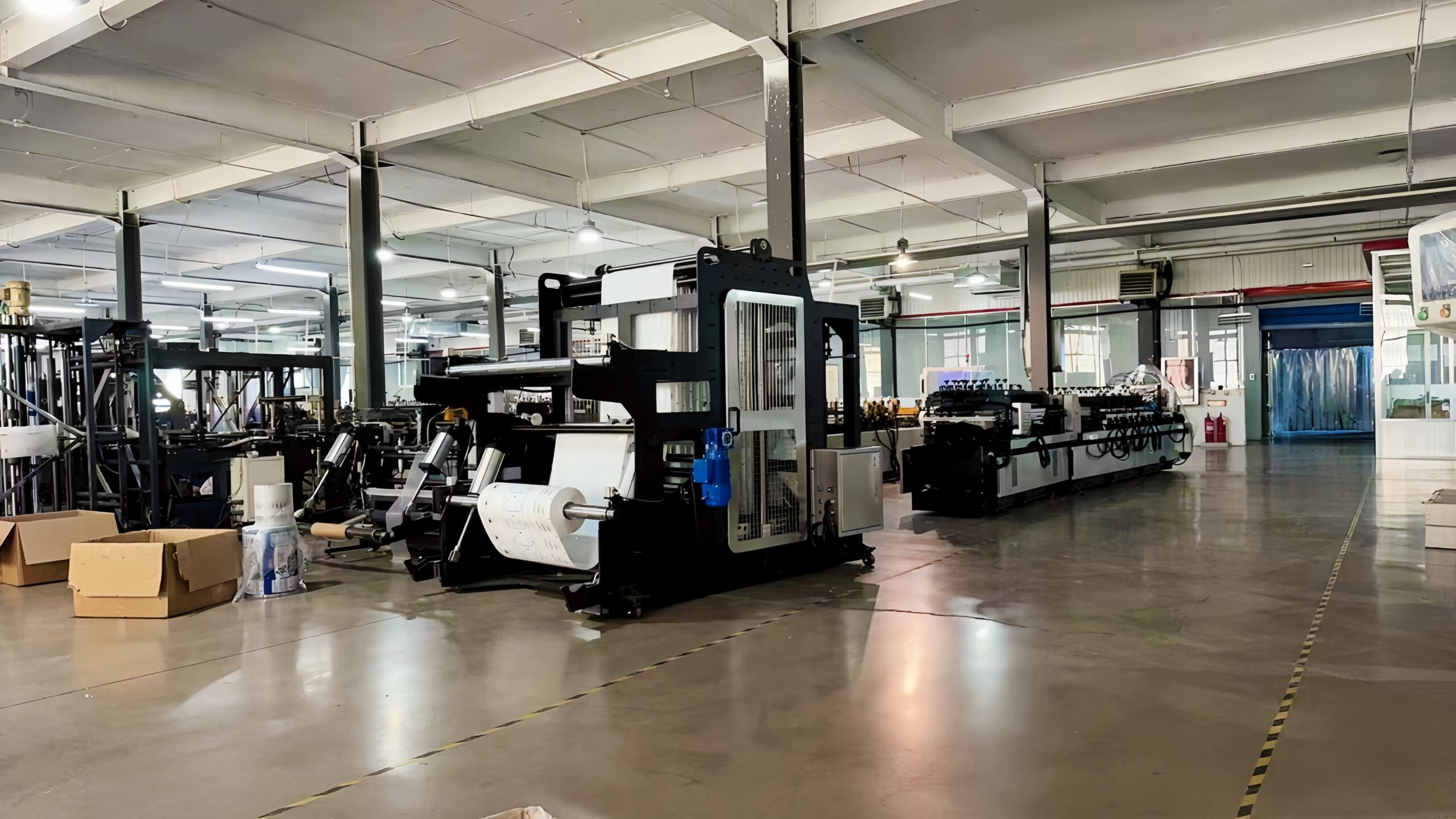
Bag Making & Converting
Mono-material and lightweight packaging need stable converting performance, pouch forming quality and consistent sealing results.
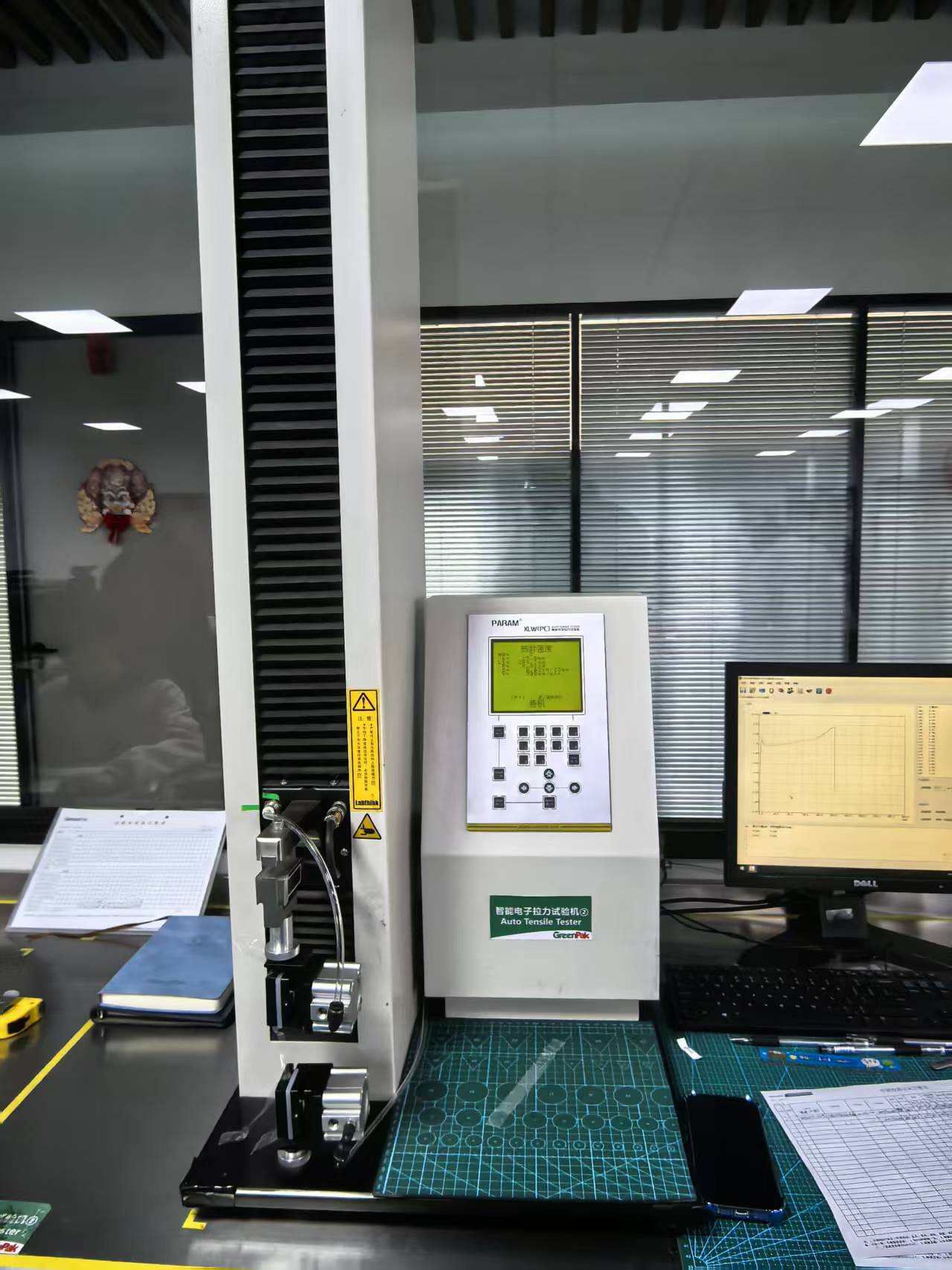
Testing & Quality Control
Testing helps verify material strength, sealing reliability and packaging performance before moving from sampling to bulk production.
Application Review
Confirm product type, food contact requirement, storage condition, filling method and target shelf life.
Structure Direction
Compare conventional laminate, mono-material PE / PP direction, barrier level and material reduction possibilities.
Print & Format Planning
Confirm pouch type, rollstock film, size, printing, matte or glossy finish, zipper, spout or valve options.
Sampling & Testing
Check sample appearance, sealing performance, stiffness, filling compatibility and packaging function.
Bulk Production
Proceed with controlled printing, lamination, slitting, bag making, inspection and export-ready delivery.
Sustainable direction can be reviewed across common flexible packaging formats.
Different pouch formats have different sealing, stiffness and barrier requirements. We help select a suitable structure direction according to the final application.
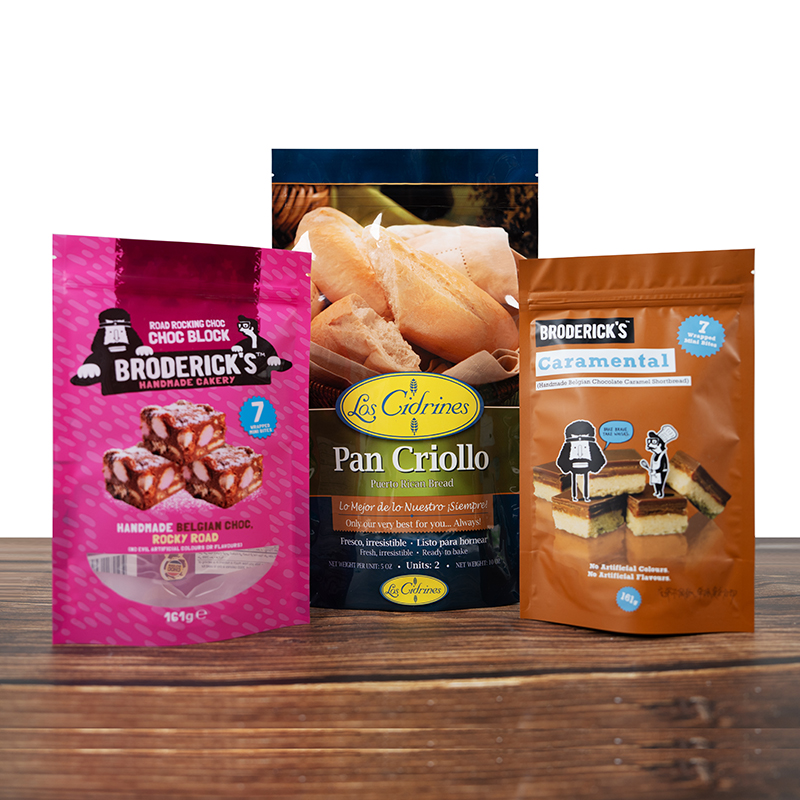 Stand-Up Pouch
Stand-Up Pouches
Recyclable-ready stand-up pouch direction for selected food, snack and private label packaging projects.
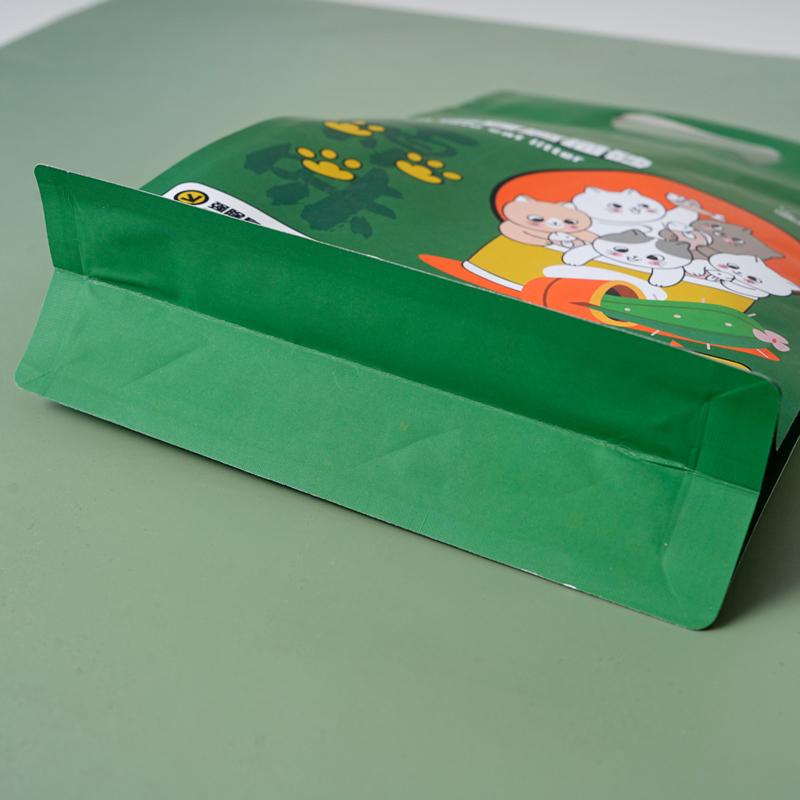 Flat Bottom Pouch
Flat Bottom Pouches
Structure review for premium shelf display packaging where stiffness and appearance are important.
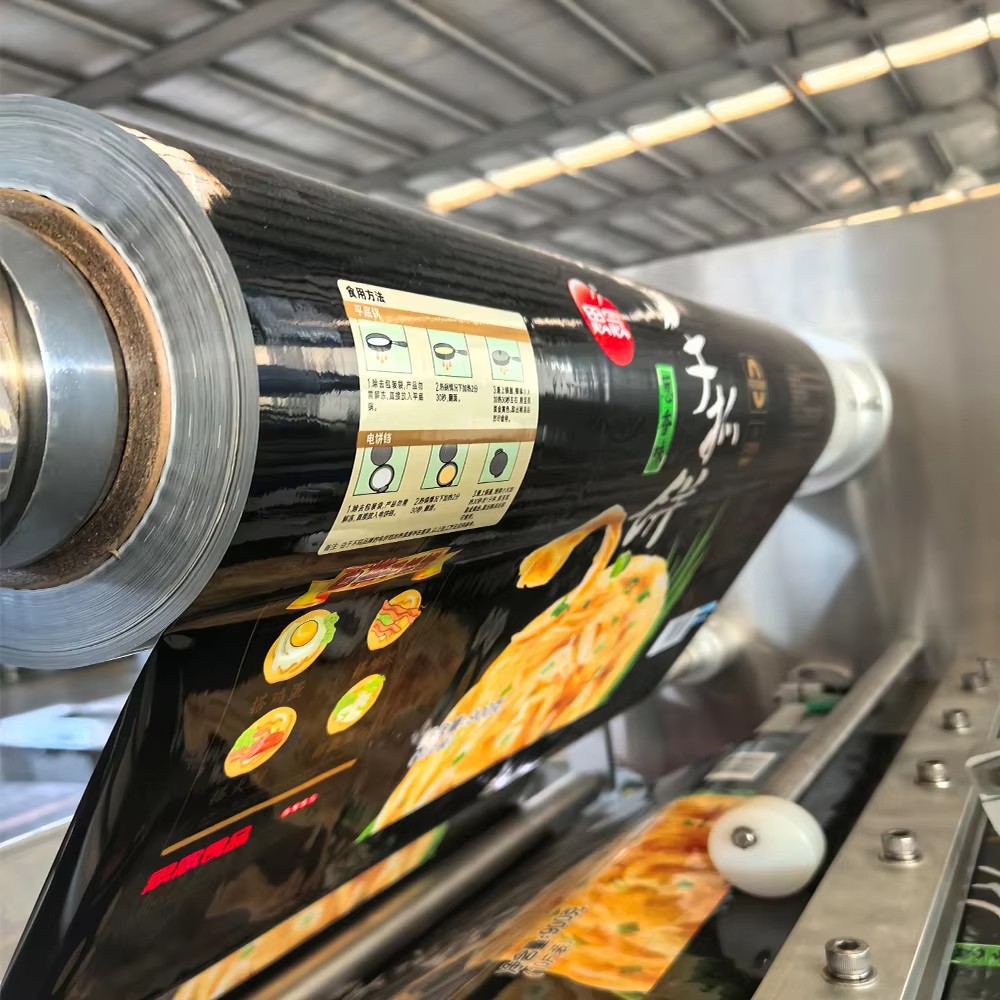 Rollstock Film
Rollstock Film
Recyclable rollstock film planning for form-fill-seal lines, pouch converting and automated packing.
 Spout Pouch
Spout Pouches
Application-based review for liquid or refill packaging where spout fitment and sealing reliability matter.
What buyers should confirm before switching structures.
Recyclable packaging development is a technical decision. To avoid packaging failure, buyers should confirm product protection, packing line compatibility and local recycling expectations before bulk production.